
This week, we’re off to the Cambridgeshire fens. I’ve been meaning to visit RSPB Ouse Fens for years, but the familiar pull of Fowlmere always drew me in. Not today!
No – today, we’re setting off at 6am to pull into the carpark on a suspiciously sunny morning. I say suspicious, because it’s that kind of bright sun that bounces off the low, dark clouds. Rain clouds.
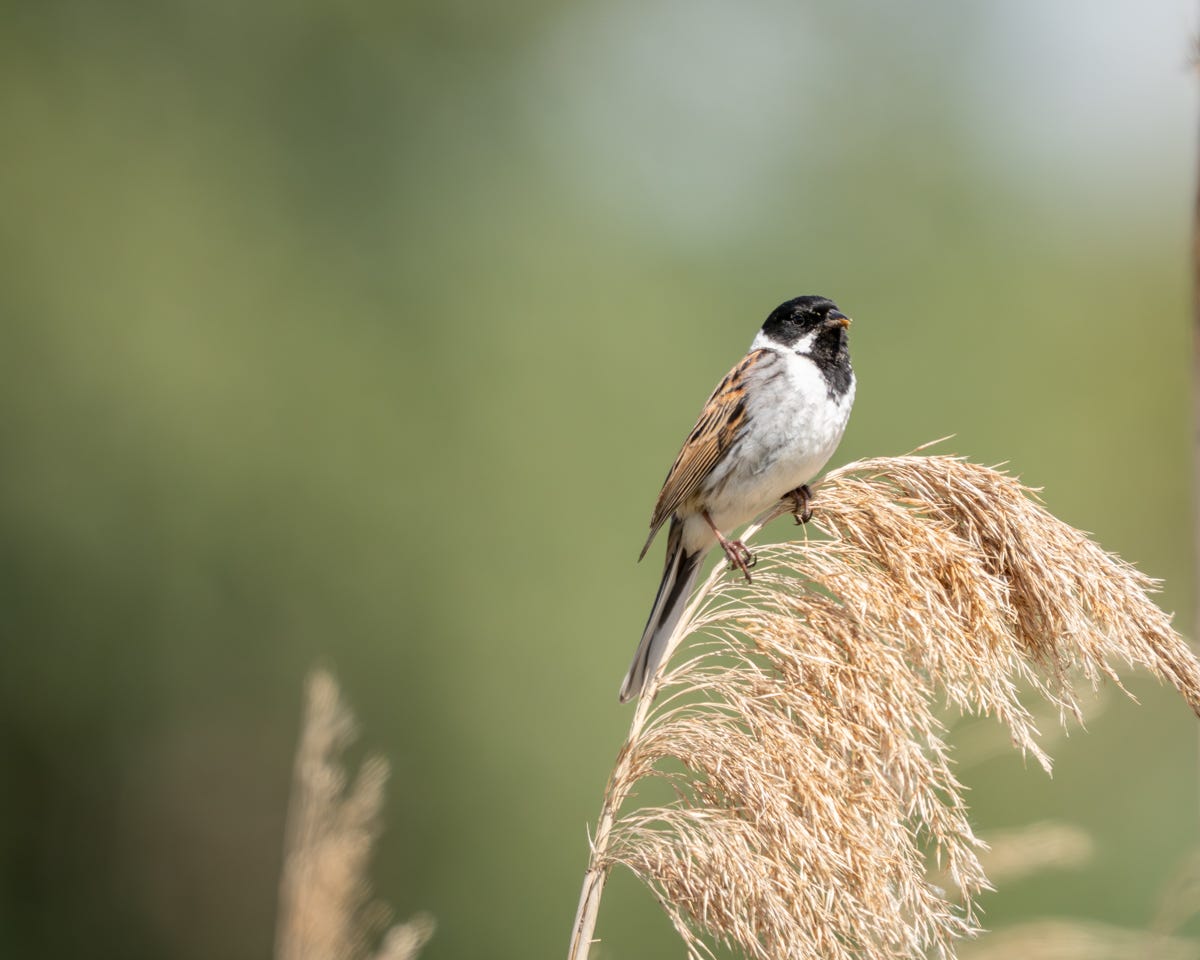
But ahead of us stretches a sea of golden reeds, their fuzzy seedheads waving in the breeze. Every few metres, there’s a male Reed Bunting perched, either singing his quiet ‘chip, chip, pew’ song or gorging himself on seeds.
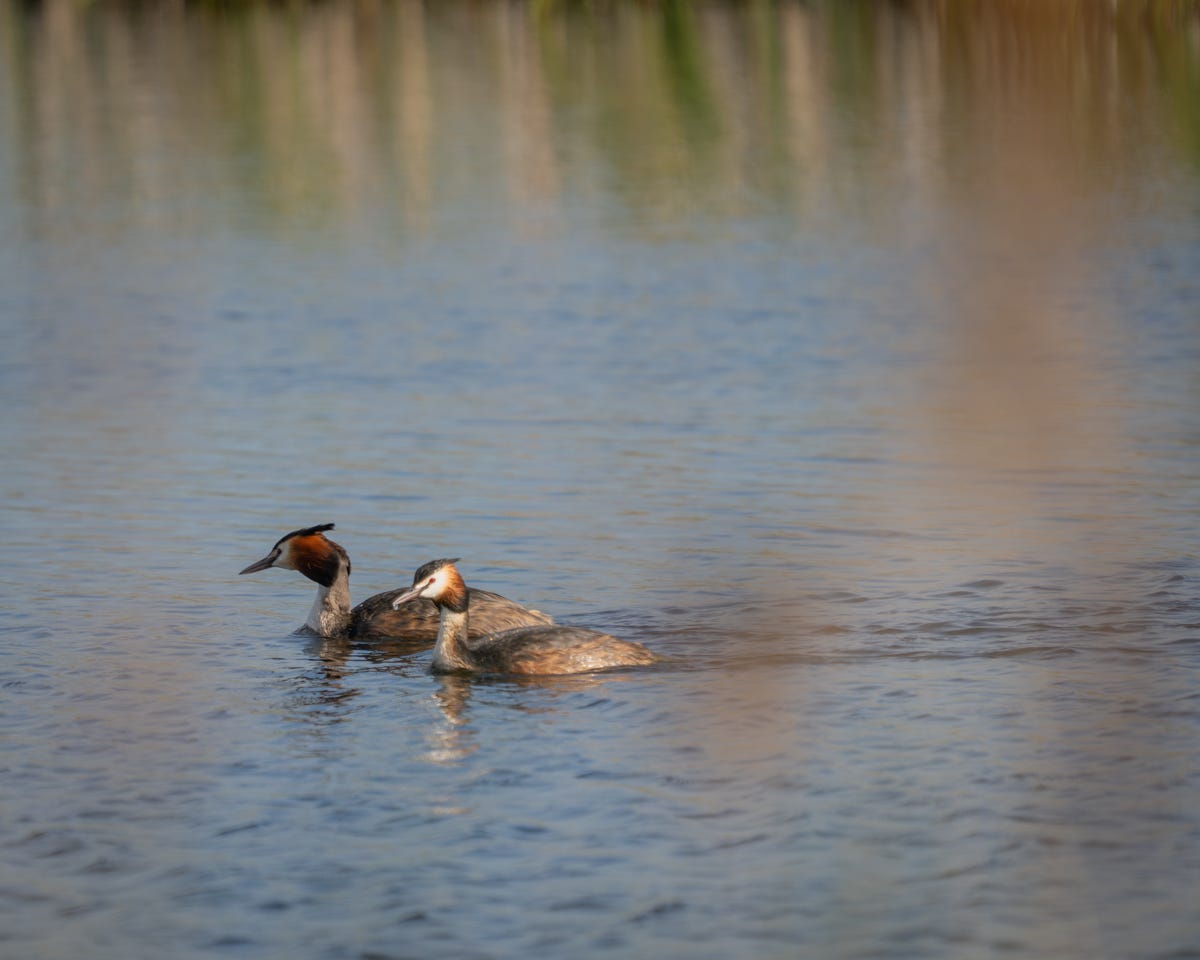
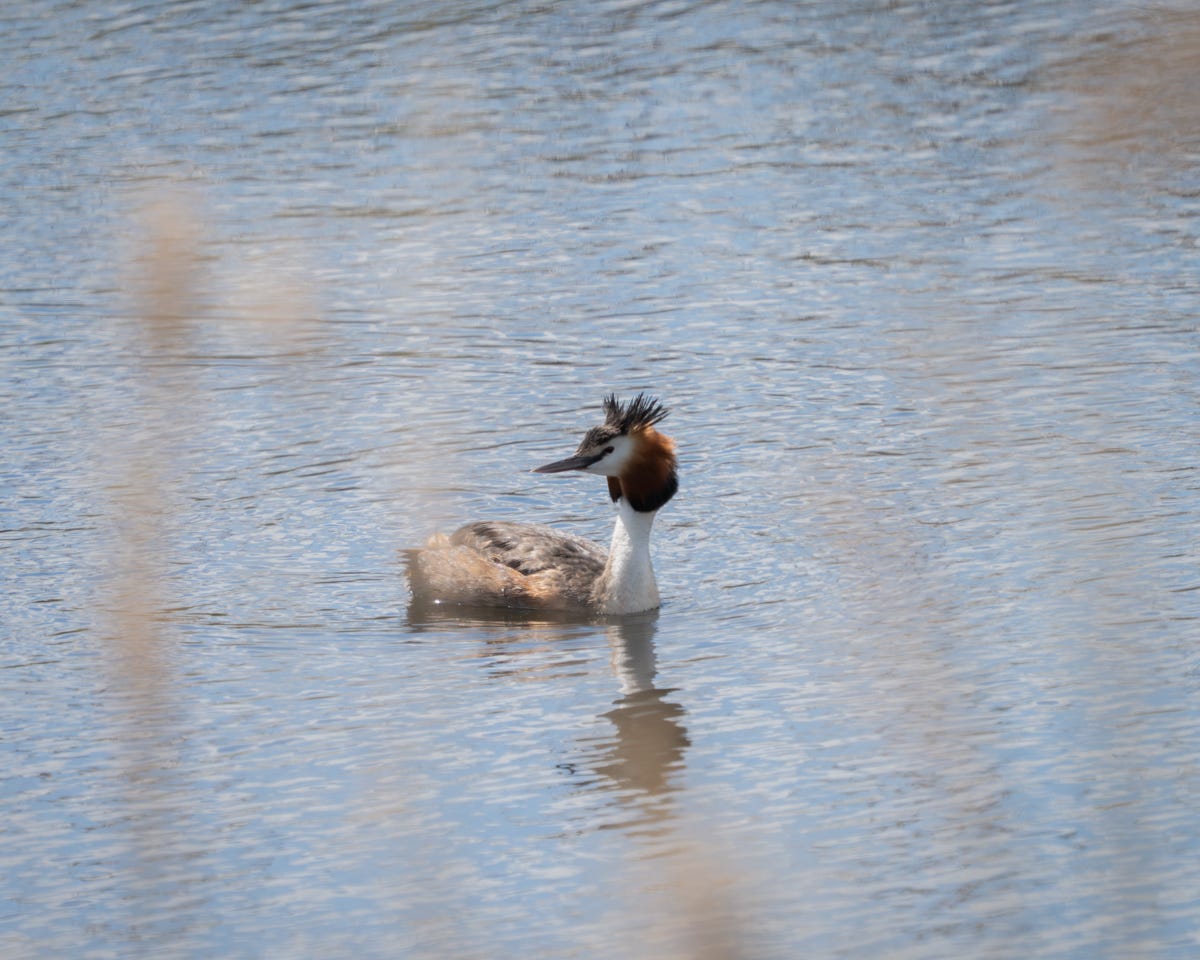
As the reeds sway they expose patches of water below, with its dazzling highlights. Larger areas of waters are dotted with ducks and waterfowl. The finest looking of these is the Great Crested Grebe – there are cosy couples and individual birds, but no baby ‘humbugs’ being transported on their parents’ backs yet.
There’s lots of action overhead, too. Marsh Harriers are harrying, and small flocks of Swifts are wheeling around catching flies. The occasional Barn Swallow joins them, looking very dainty next to their much larger cousins.
But this one – it’s bigger than a Swift, but still has those scimitar wings. It also has a smart pinstripe chest and russet trousers on. A Hobby! I love the way they go from incredibly sleek to slightly gangly as they transfer the dragonflies they catch from claw to mouth, all while flying at pace.
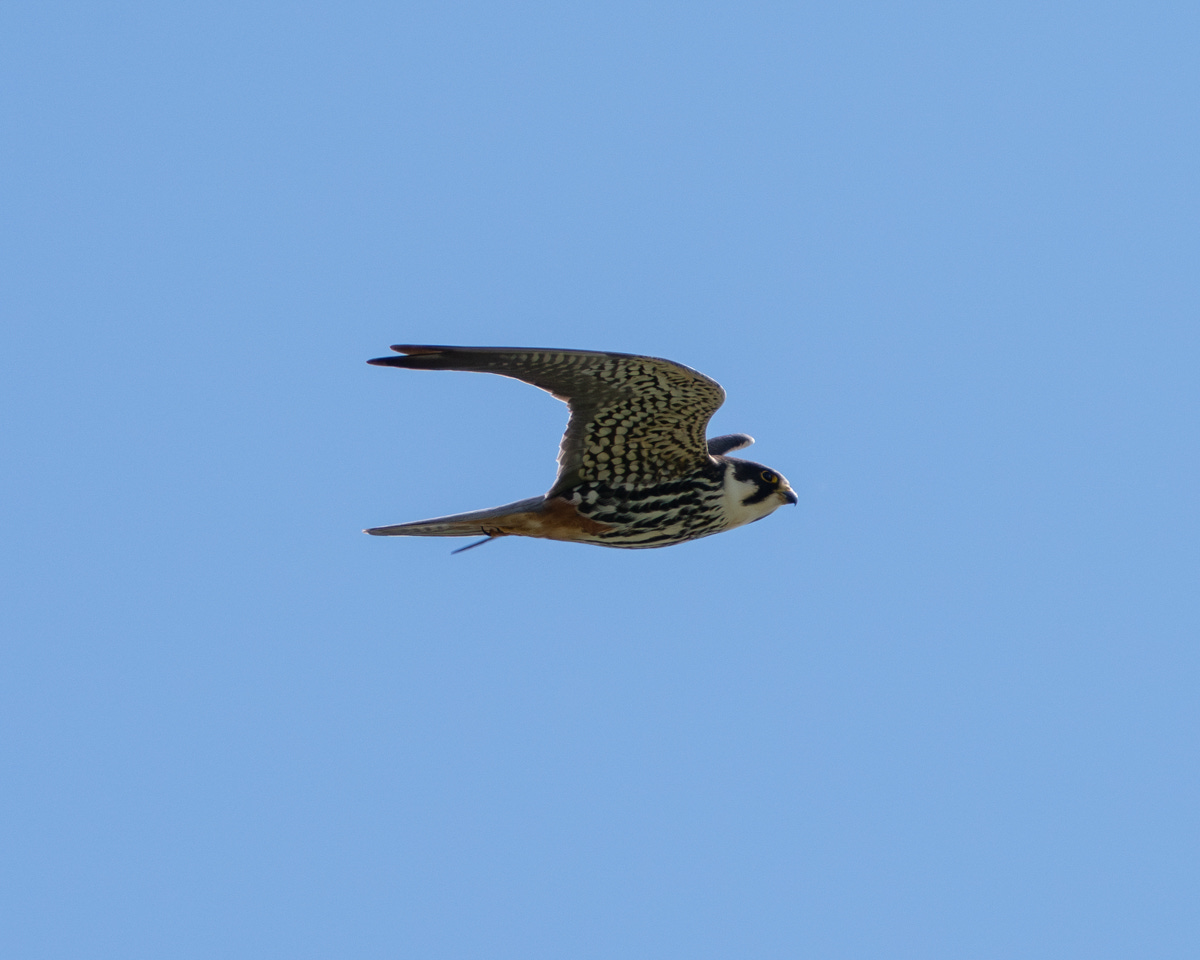
The fens are flat and wet, so looking out over them isn’t as awe-inspiring as steep, rocky mountains or rolling, forested hills. But as we scan the water and the skies, welcoming more of our summer residents back, it’s every bit as exciting. And here’s another – a lazily flapping Common Tern.
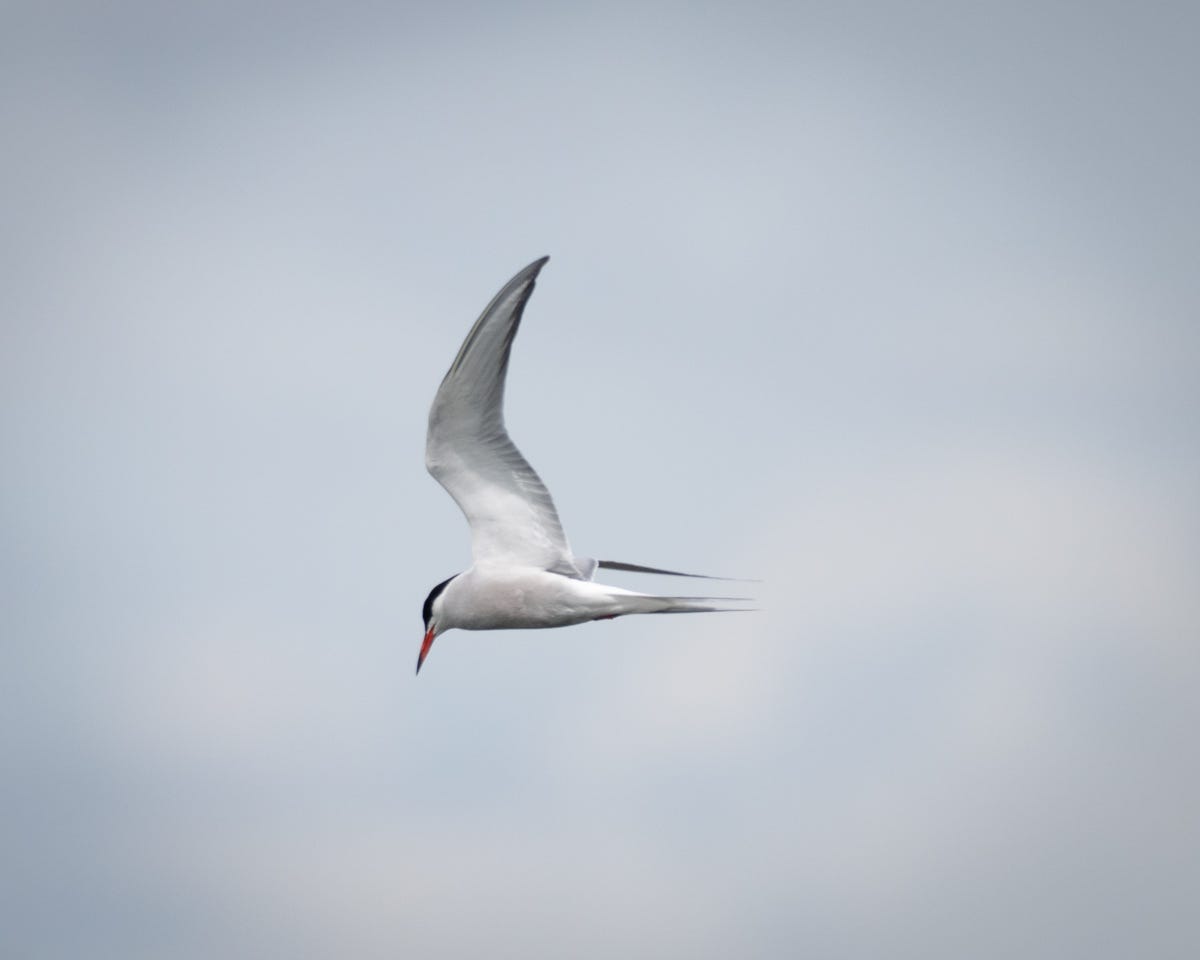
It is working the channel of water that runs alongside the carpark, back and forth, back and forth, pausing then twirling downwards to splash into the water for small fish.
I had my hopes up as I drove to the reserve. I wanted to hear Bitterns and Bearded Reedlings. Both rare and elusive, so I will be happy even without a sighting. And it doesn’t take long to make my day – the Bitterns are booming (albeit rather half-heartedly) right from the start of our visit, making the sound of air blown over the open top of a glass bottle. One even takes flight, though some distance away.
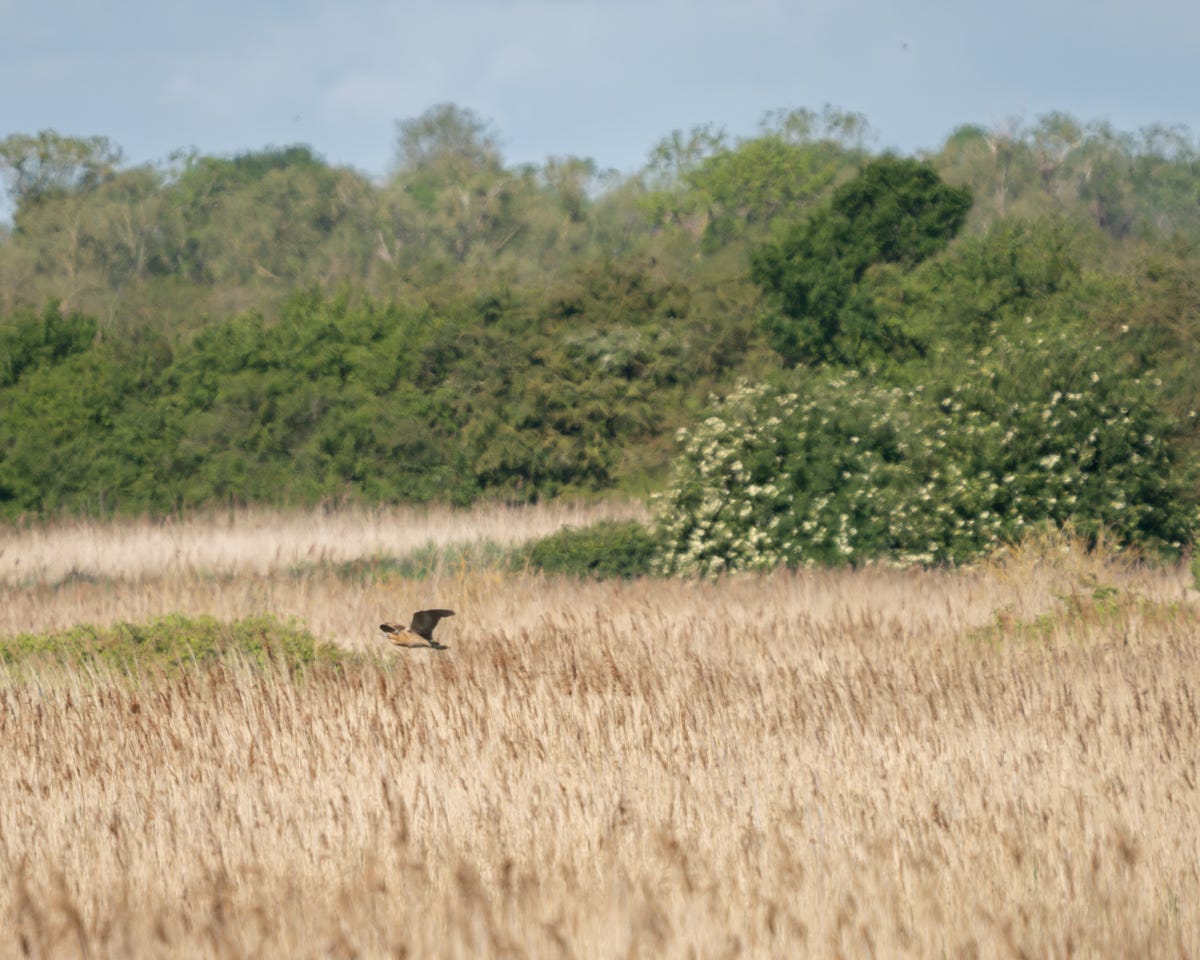
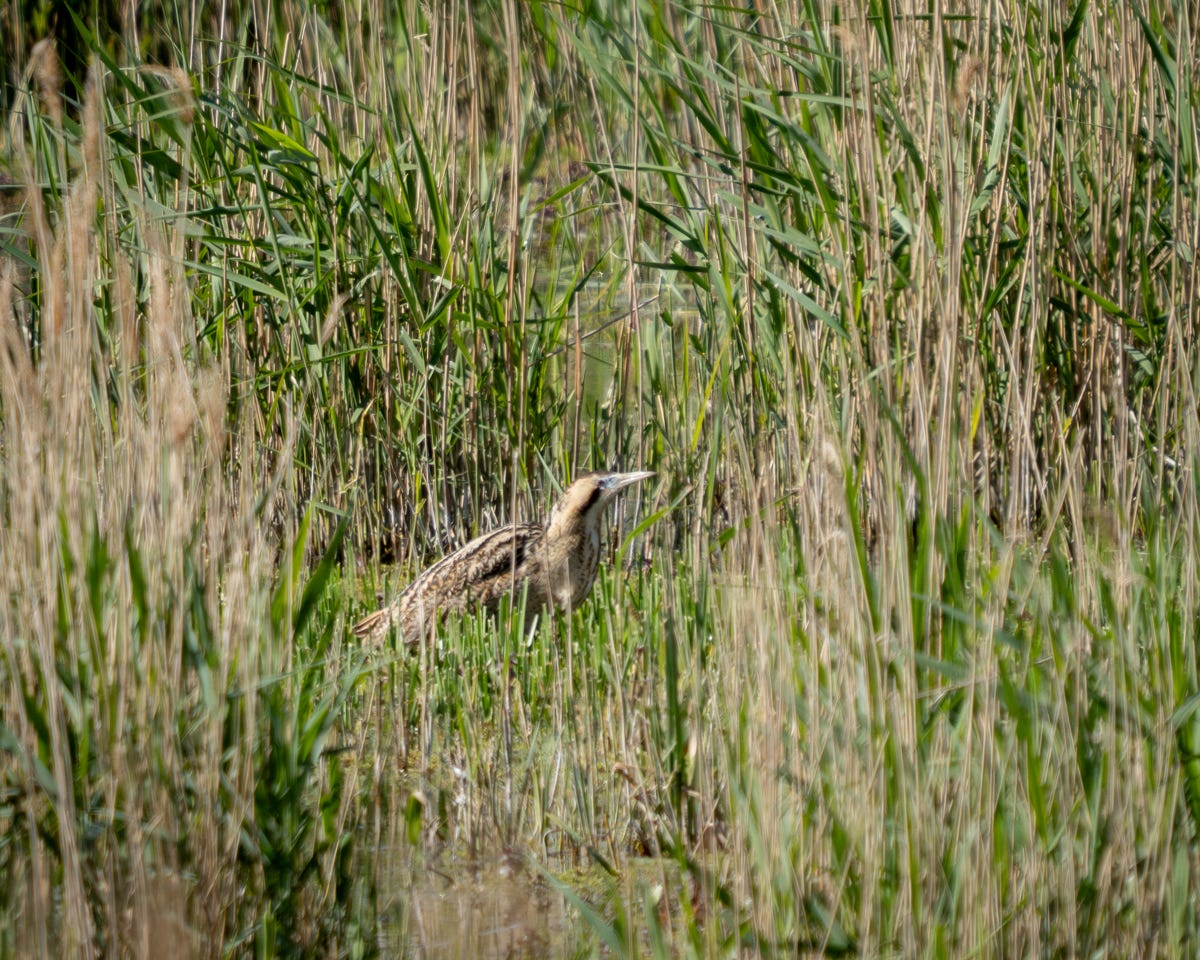
Now, if you’re not from the UK you might be wondering why I’ve shared a potato shot of a dull brown ‘heron’. If you are from the UK, you’ll understand – because when I was young, there were only 16 breeding pairs of Bitterns left in the whole country. So when you see one, you photograph it and you share it!
But what’s that moving in the reeds? Maybe a Chinese Water Deer? Or a pesky Greylag? Or is it every birder’s dream: a Bittern that isn’t flying away from you.
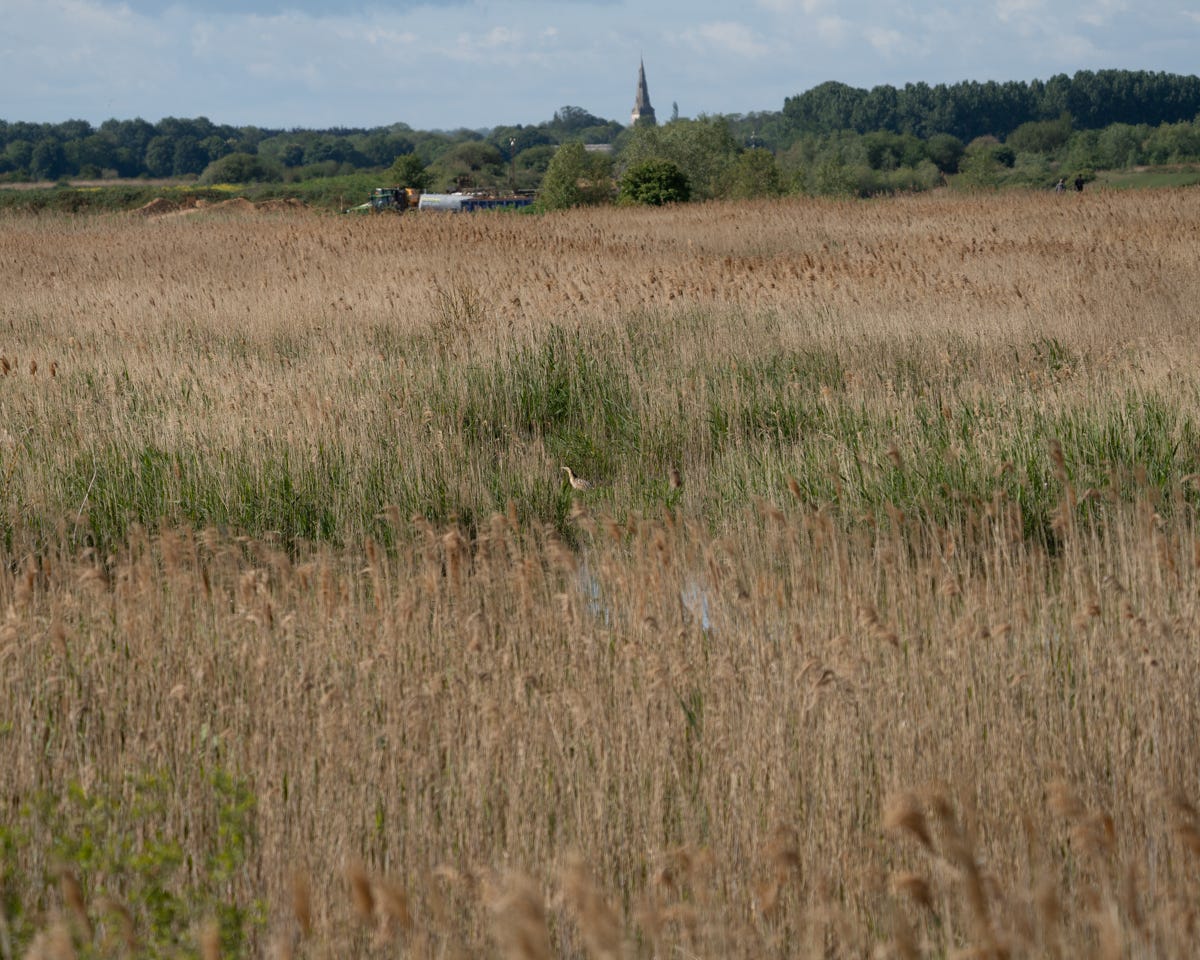
Seemingly entranced by the early morning sunshine (the first we’ve had in a while), it stays put for five minutes. Photos aren’t good, but they are good enough for you to make out the blue blush on the area between the beak and the eyes. It’s a boy!
Of course, we watch until it disappeared into the dense reeds, then watch some more in case it returns. Until, that is, a familiar ‘ping, ping, ping’ call starts echoing around the reeds just in front of our bench.
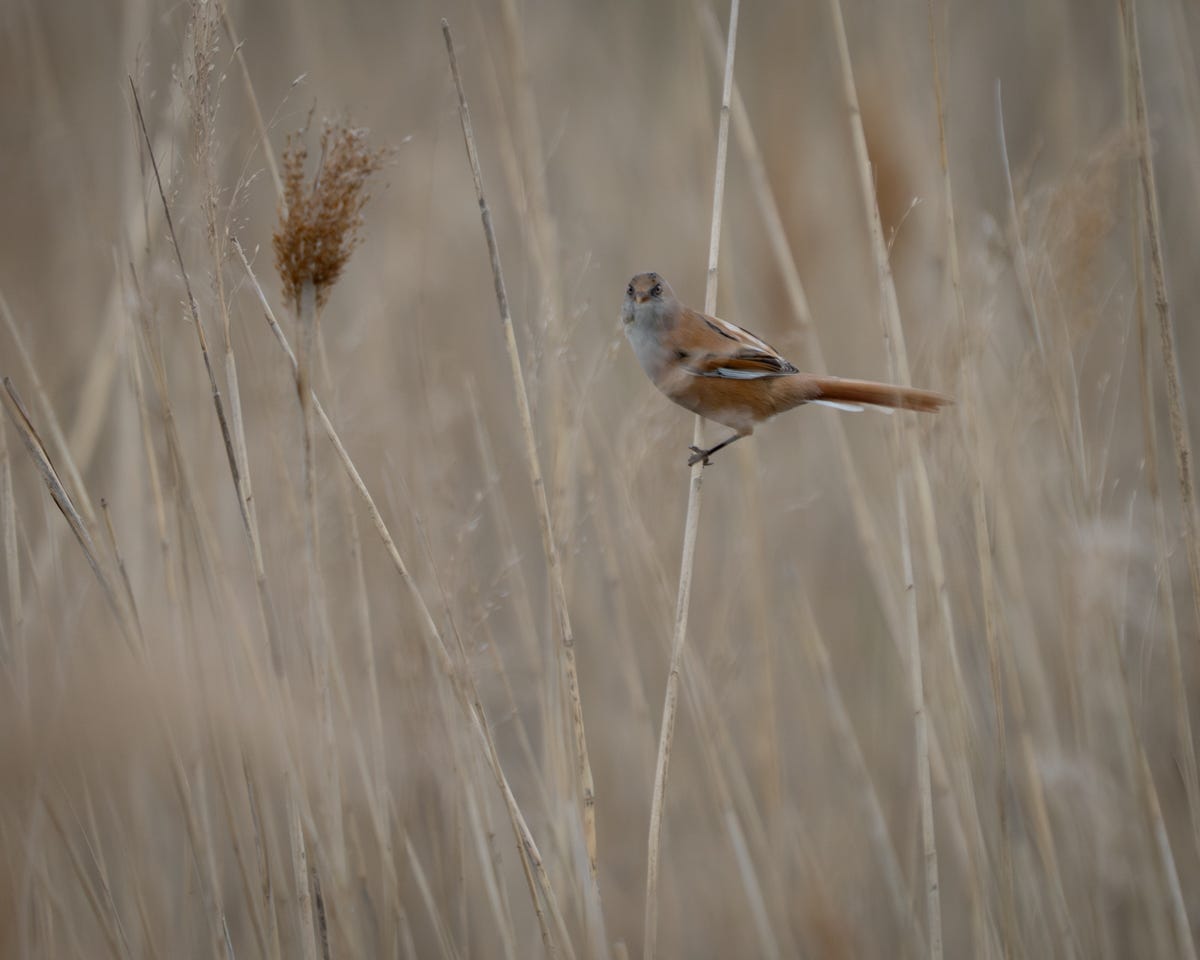
And there she is – a Bearded Reedling! I have to say, the females aren’t particularly handsome. Their dark facial plumage gives the impression of sunken eyes, and then the light colour of the eye itself is a bit… starey. Their heads don’t match their gorgeous orange bodies.
But wow, what a treat. We can’t all get that dream shot of a male doing the splits.
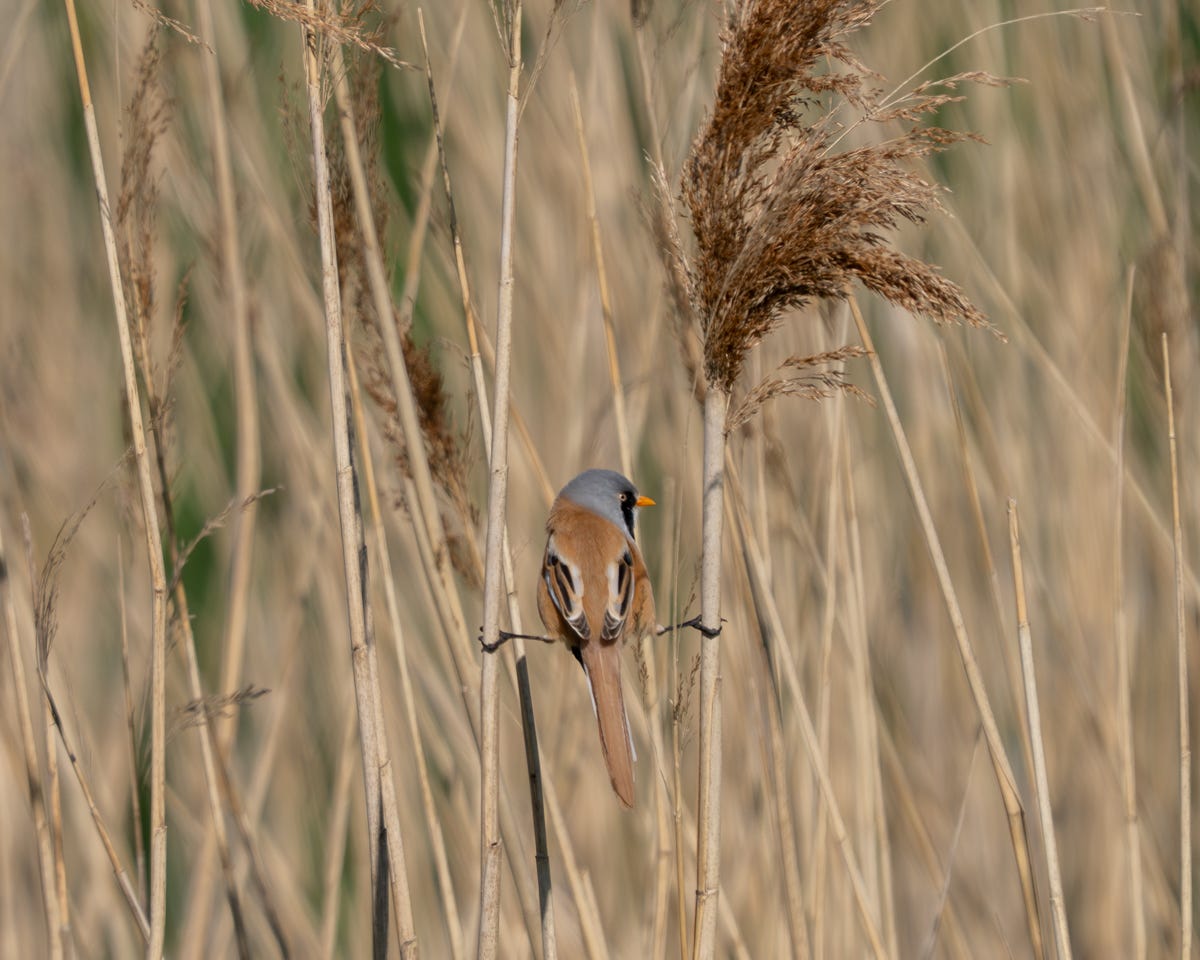
Or so I thought. This male pops up right in front of us, showing off his signature move. But then, it seems the lack of hides at this reserve means the birds are more accustomed to human activity. The Marsh Harriers were also much closer than expected.
And it has to be mentioned that this is a new reserve. Until very recently, these reedbeds were a working quarry. “Once complete,” the RSPB says, “the whole wetland will stretch 700 hectares and include the largest reedbed in the UK, spanning 460 hectares.”
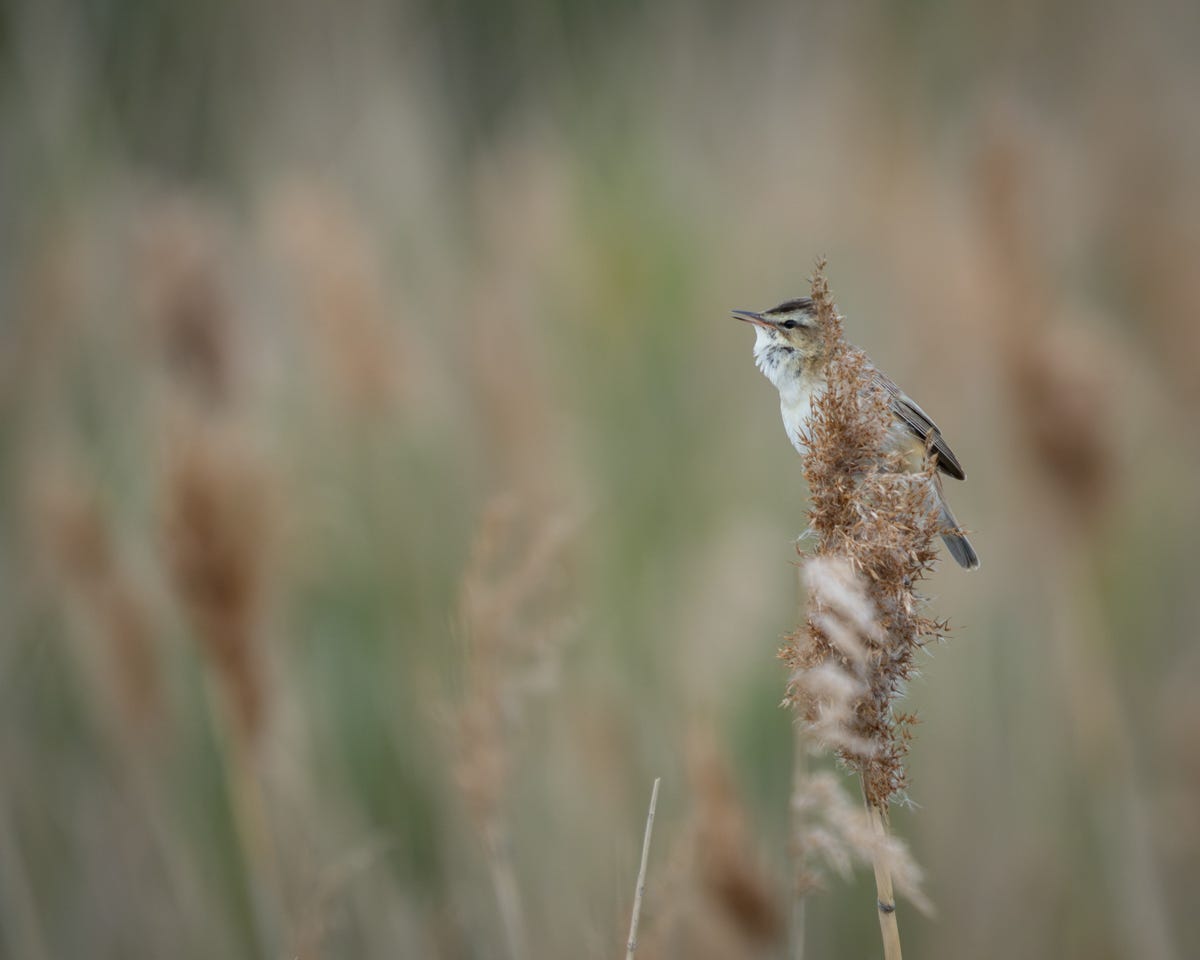
The walk back to the exit shows a surprising density of warblers, including this Sedge Warbler, and it’s almost tempting to do another loop. But those clouds have darkened and the sun has fled so maybe next time!
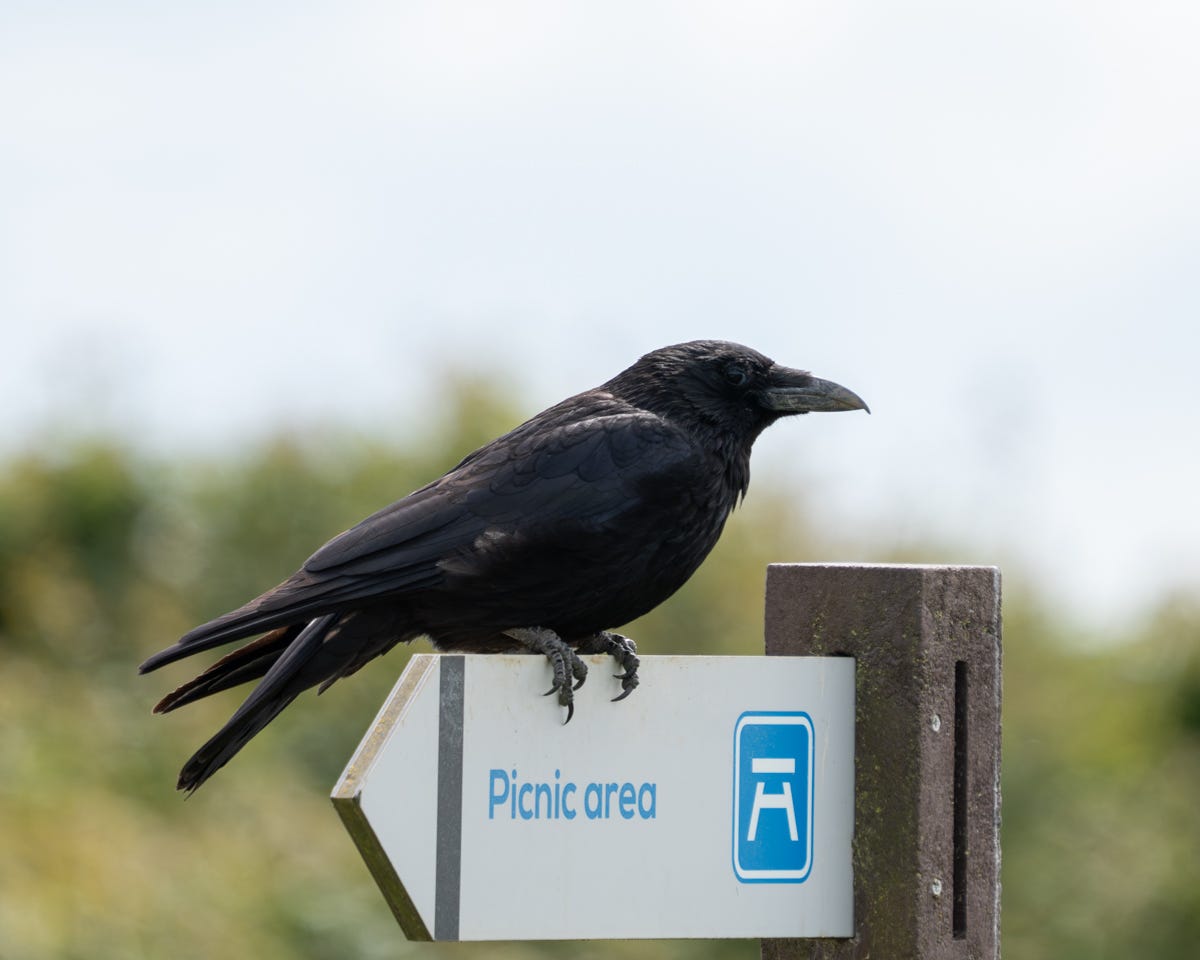
And finally, what RSPB reserve would be complete without its very own carpark corvid to check if you’re stopping for a shared meal before you head home?
Thank you for joining me. It’s been so good to get out somewhere new. What have you seen while I’ve been pottering in the fens?
Gem
Oh, what an amazing time you had Gem! I can't believe you spotted a Bittern amongst the reeds, and Bearded Tits too - they're my absolute dream 😍 Your photos were amazing too - what camera and lens do you have? My brother and I are just getting into our bird photography but our long lens is pretty rubbish so we're thinking of upgrading. Any recommendations or advice would be much appreciated ❤️
May always turns out to be such an exciting time for birdwatching every year, doesn't it. We've had a similarly exciting week in Cambridgeshire's fenland landscape when we visited RSPB Fen Drayton. We spotted lots of warblers, a couple of Cuckoos and a fair few new species, with the absolute prize being an encounter with our first ever Turtle Doves 🥰 I'm still revelling in the excitement of it! I'd heartily recommend a visit to Fen Drayton as there's so much incredible wildlife to see there ☺️
I wrote about our wild week in my latest post: https://awildwanderer.substack.com/p/the-many-returns-of-spring?utm_source=share&utm_medium=android&r=545y3j
Your post has definitely inspired me to return to Ouse Fen too. We've only visited once a couple of years ago on a particularly dreary day when there wasn't too much about, but it looks like there's lots of wildlife to enjoy now the habitat is establishing a bit more ☺️ Imagine what it might be like in a few years time!
Great sightings Gem and a good read.