

Thank you for joining me. Today we’re at Rye Meads, an RSPB reserve in Hoddesdon, Hertfordshire – sadly not for much longer. The conservation charity has chosen to focus its resources on ‘landscape level’ change, rather than small individual reserves in built-up areas.
As we arrive at the entrance, the scent of lavender fills the air – and so does the buzz of wings. Bumblebees, Honey Bees, flies and more. A Hummingbird Hawk-Moth has been seen recently, although we aren’t so lucky (but here’s one I photographed earlier).
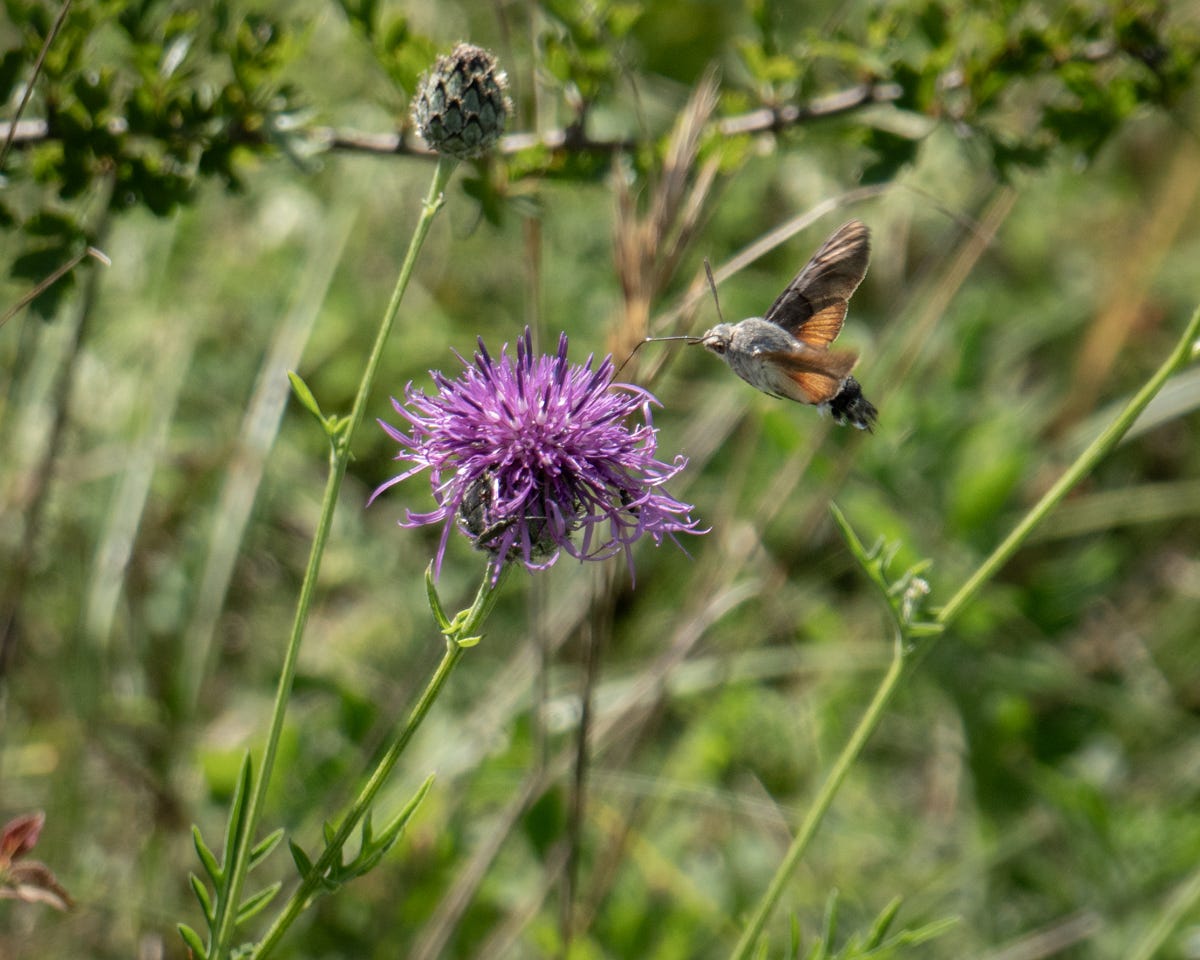
This incredible, bird-like moth has flown all the way here from southern Europe, or perhaps even North Africa. It’s a substantial moth, but that still seems quite a feat to me.
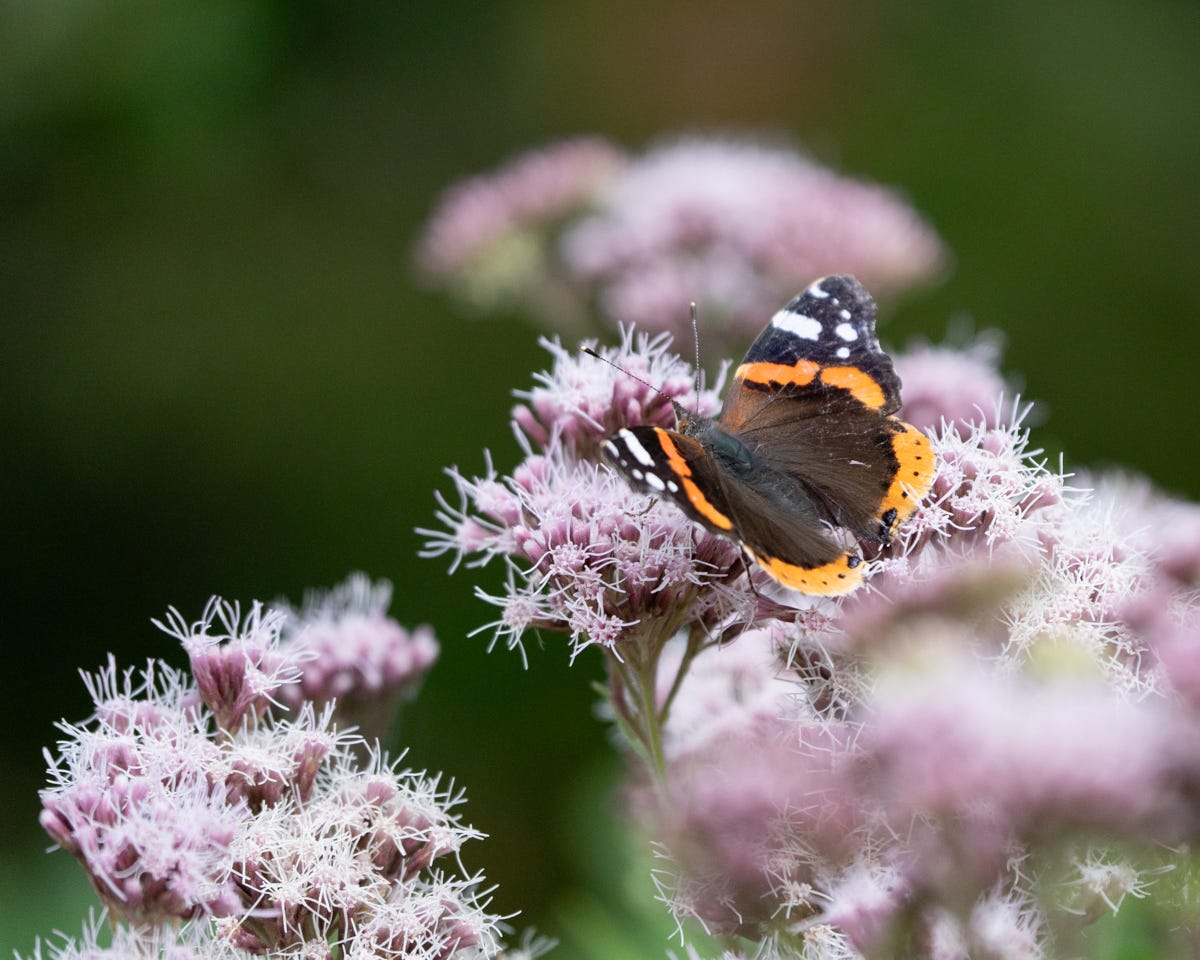
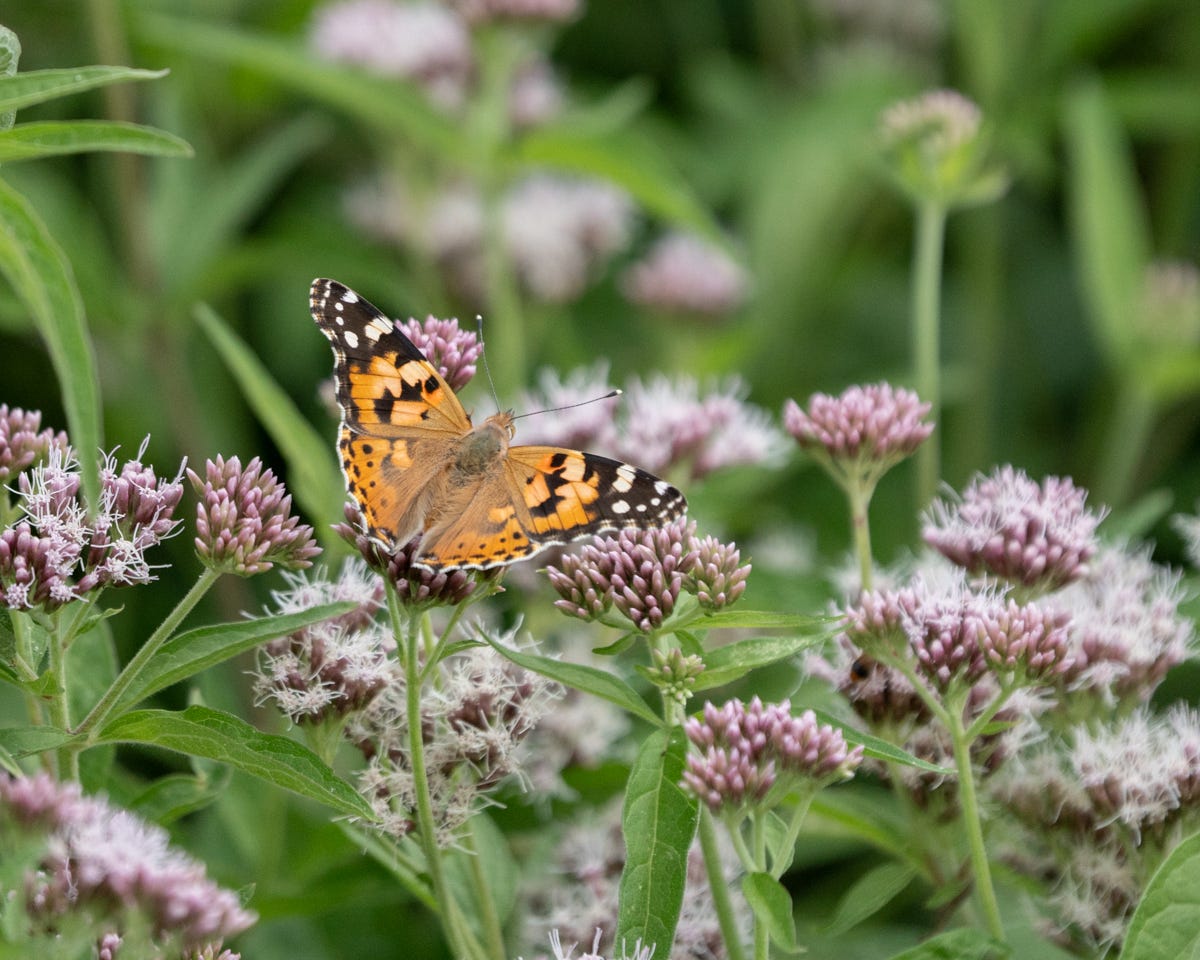
Just the other side of the entrance and the dipping pond is also in full bloom. Tall Purple Loosestrife waves in the breeze, and bundles of gorgeous baby pink Hemp Agrimony are covered in butterflies.
As we cross the bridge that leads to the part of the reserve with the bird hides, this Wren looks like it might be unwell. Flattened, even!
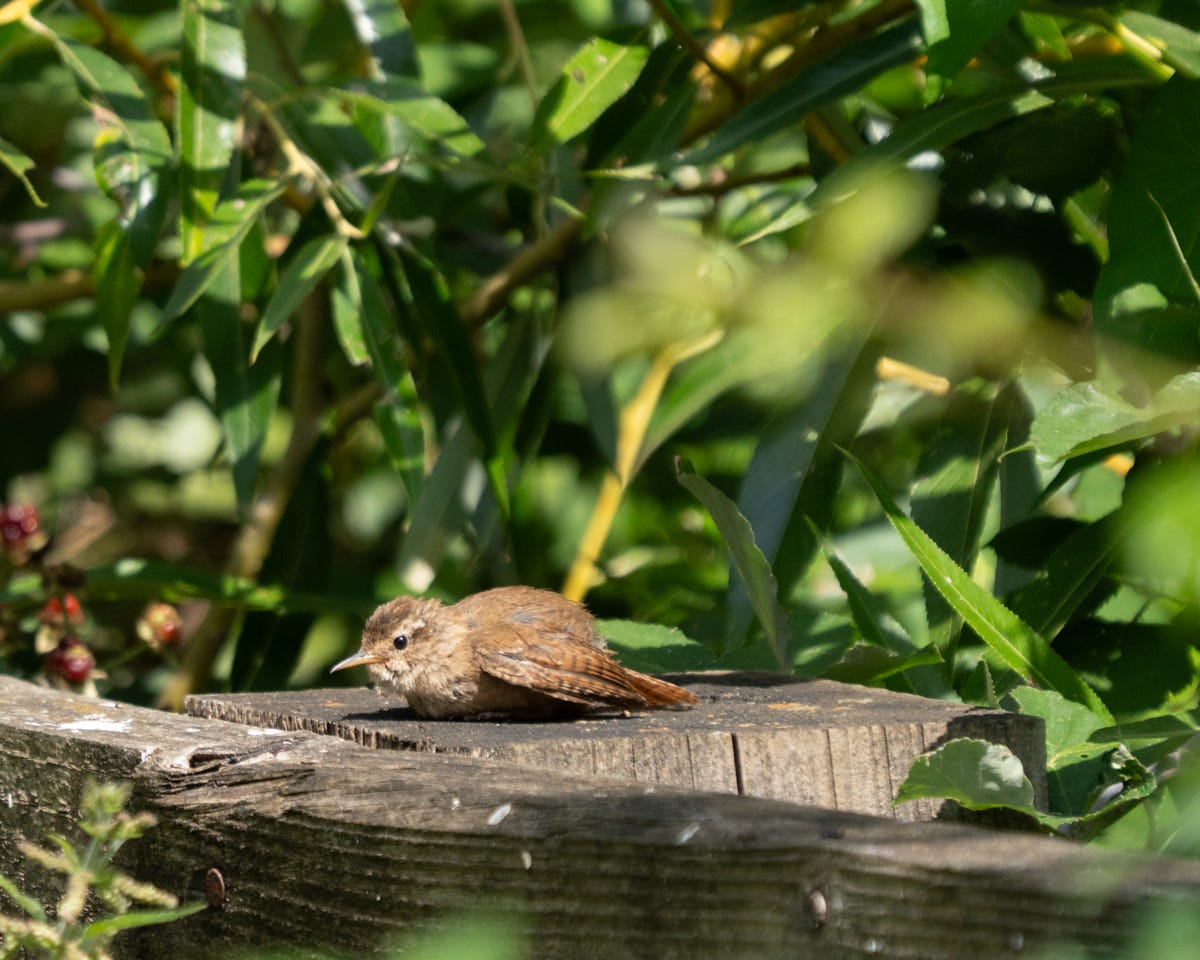
At one point, it has its beak open – a sure sign that a bird is feeling the heat. But before long it stood up to greet another Wren, then lay back down and fluffing itself up again. The theory is that if the Wren is hot, the parasites on its feathers are even hotter, and will either die or abandon their host.
The first hide, the Draper Hide, overlooks a wetland scrape bordered by reeds at the back. It’s a great place to see ducks, grebes, gulls, herons and egrets in particular. It often has waders, geese, and a passing kingfisher or bird of prey too.
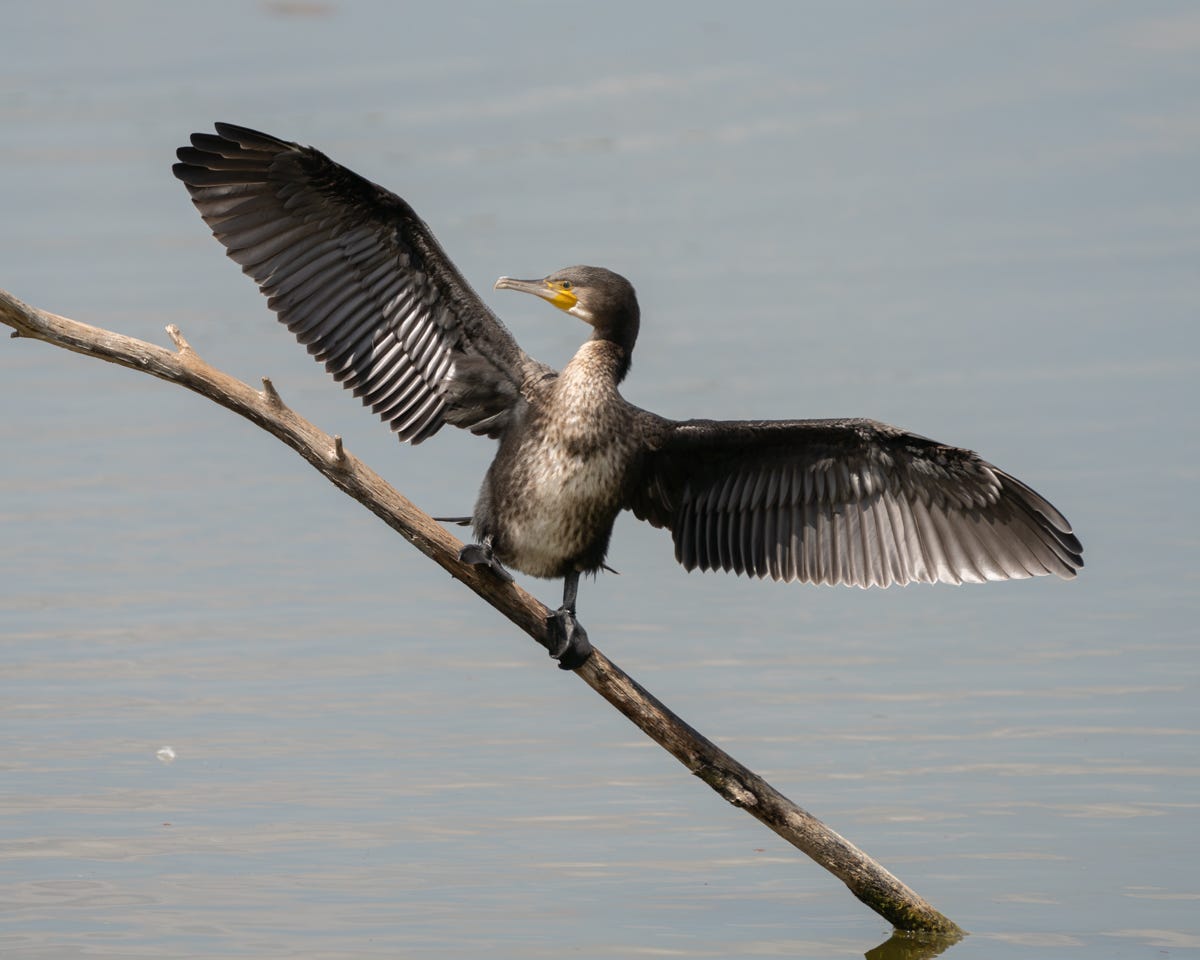
Today, a Cormorant is the first thing to catch the eye. How such a cumbersome bird ended up needing to perch and dry its wings between fishing sessions, I don’t know. Watching them clamber up (and often fall off of) perches is endless fun.
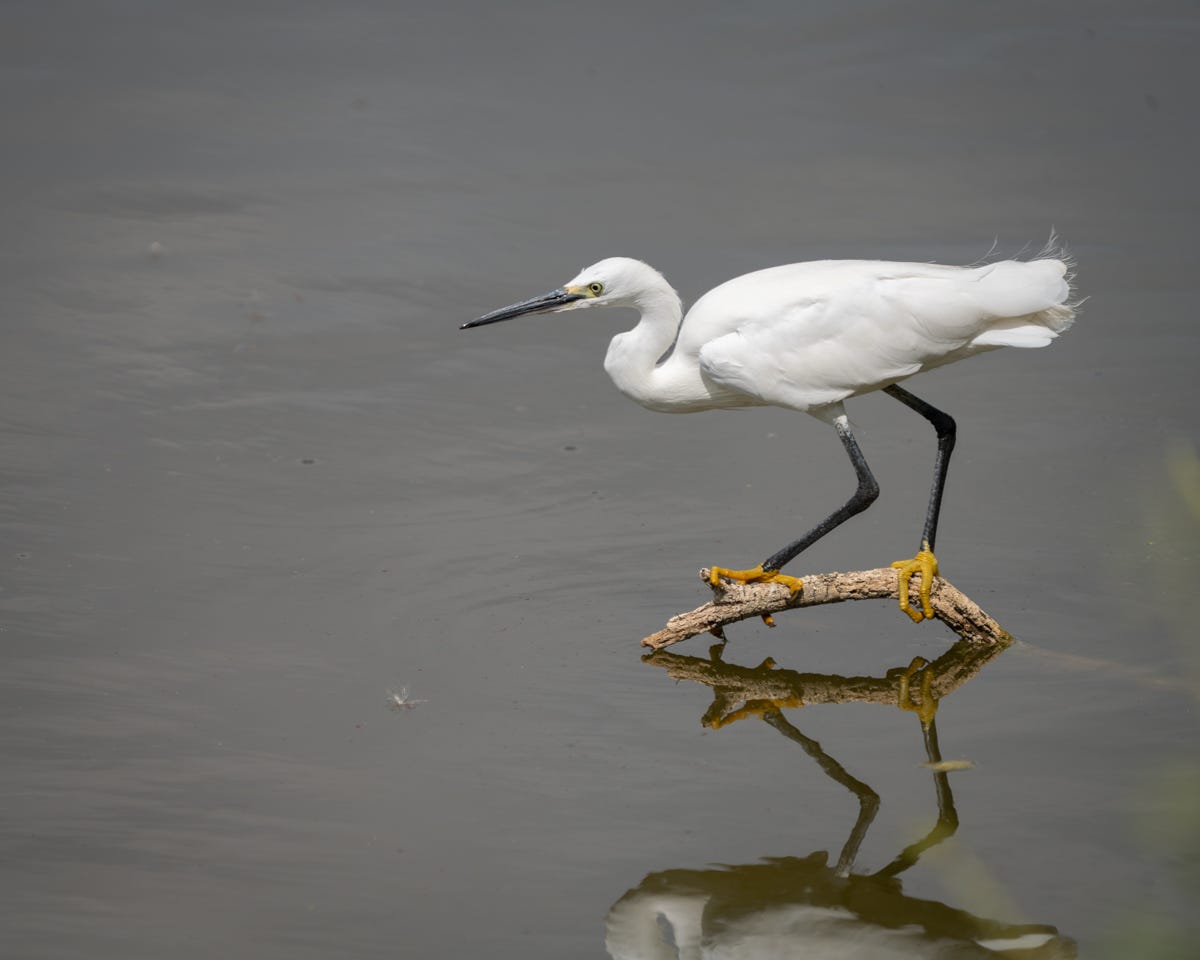
The elegant Little Egret has no such worries, as it looks effortlessly graceful even on a much more precarious perch. I love seeing them fully out of the water – they look like they’ve got funny yellow shoes on.
We spend a little time watching the five Green Sandpipers foraging in the shallow water, and playing ‘spot the Common Tern’ among the throng of Black-Headed Gulls. Then on to the next hide – but first, the little pool under the wooden footbridge that leads to the lower section of the reserve. There’s always something hiding there!
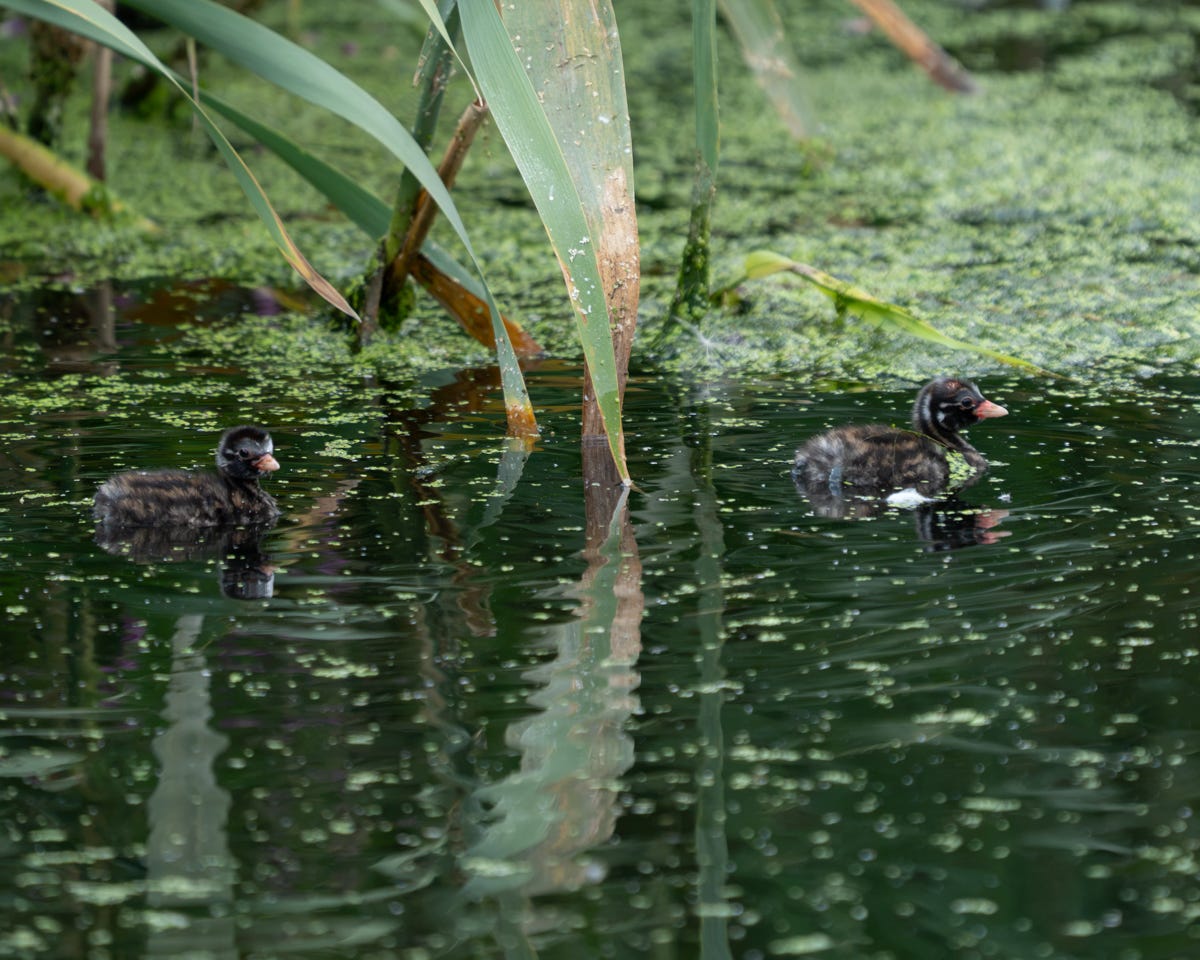
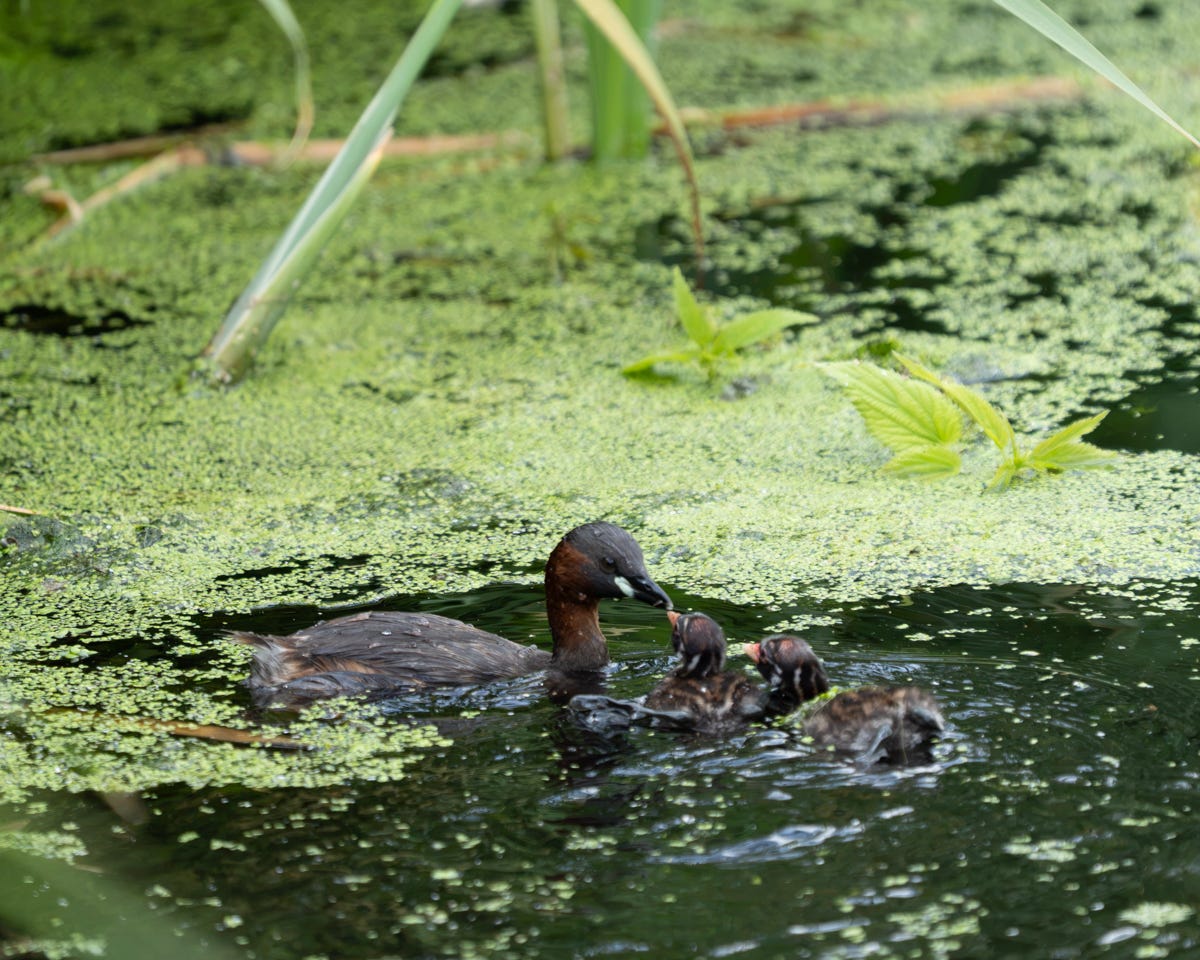
Today, it’s Little Grebe chicks (dabchick chicks?). And as much of a surprise to them as to us, the parent bird surfaces like a bath toy just beside them!
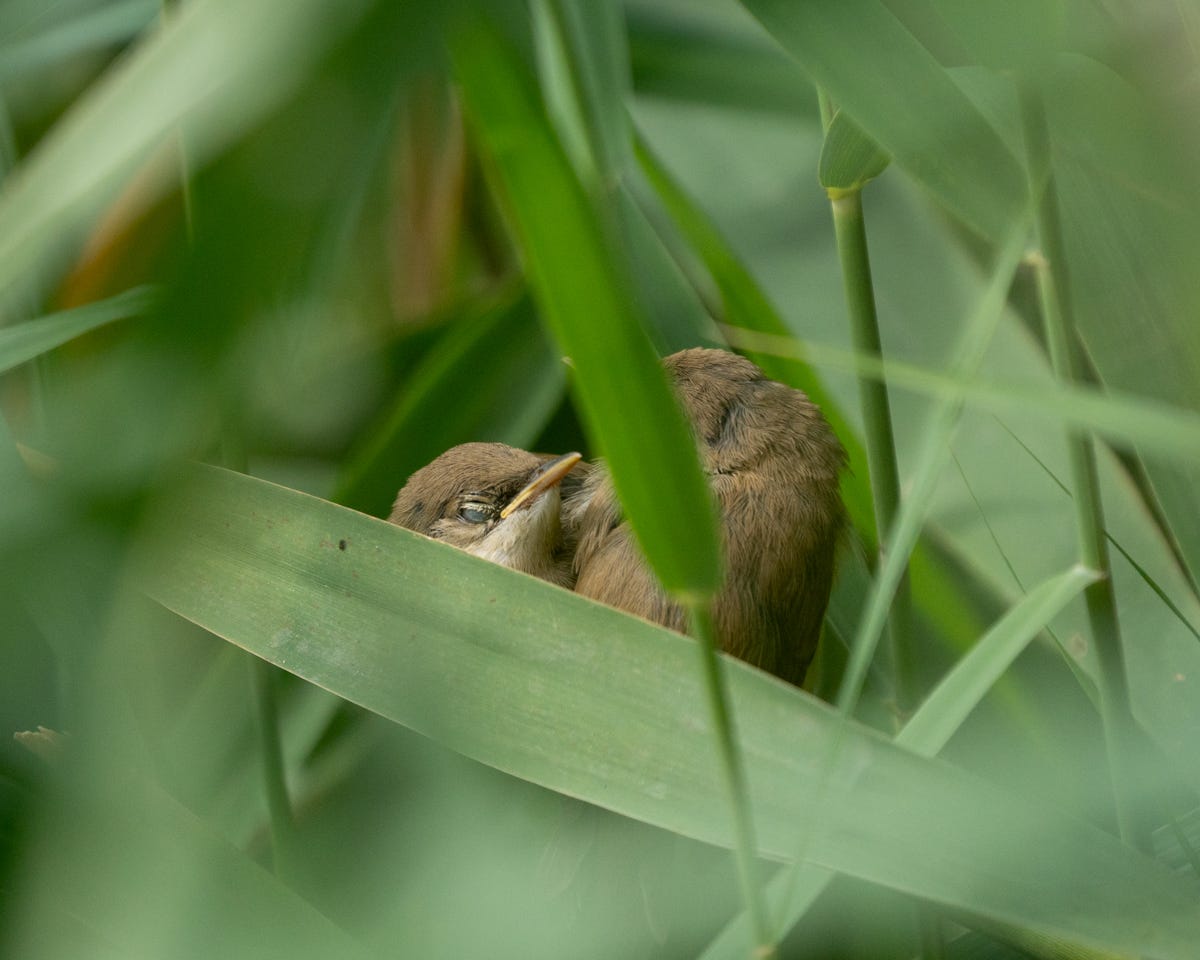
And just as we are about to wander onwards, a kid points out a juvenile Reed Warbler directly under our feet on the bridge.
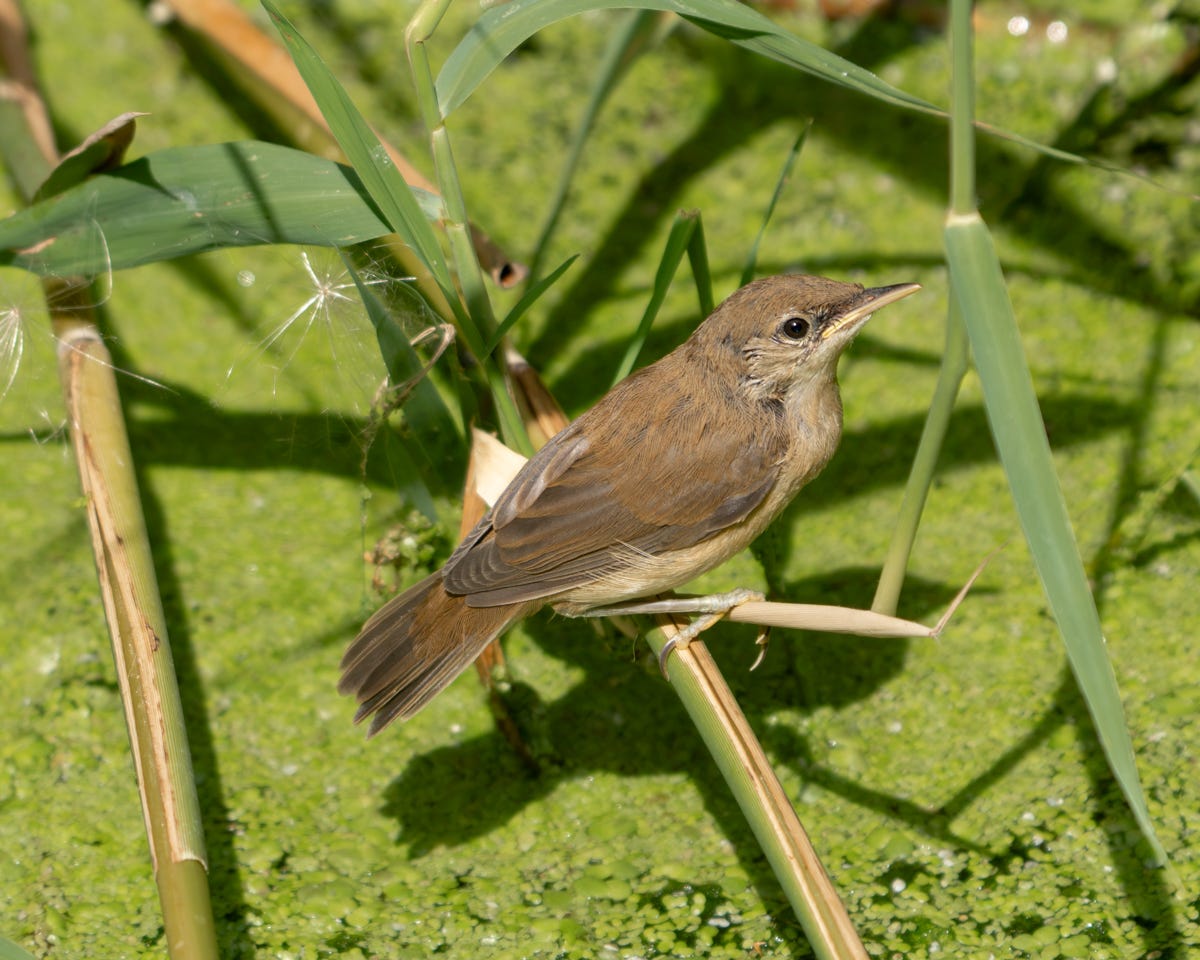
This one was also ‘panting’ with its beak open, half-heartedly pecking at morsels around it. But it was only half-hearted because a much easier source of food was just around the corner: its mum! She quickly ushered it into a cooler, less exposed location to feed.
The next hide we reach is the Kingfisher Hide (spoiler alert: there were no Kingfishers). The only activity on the water was a family of coots. There were three ugly babies, all legs and cheeps.
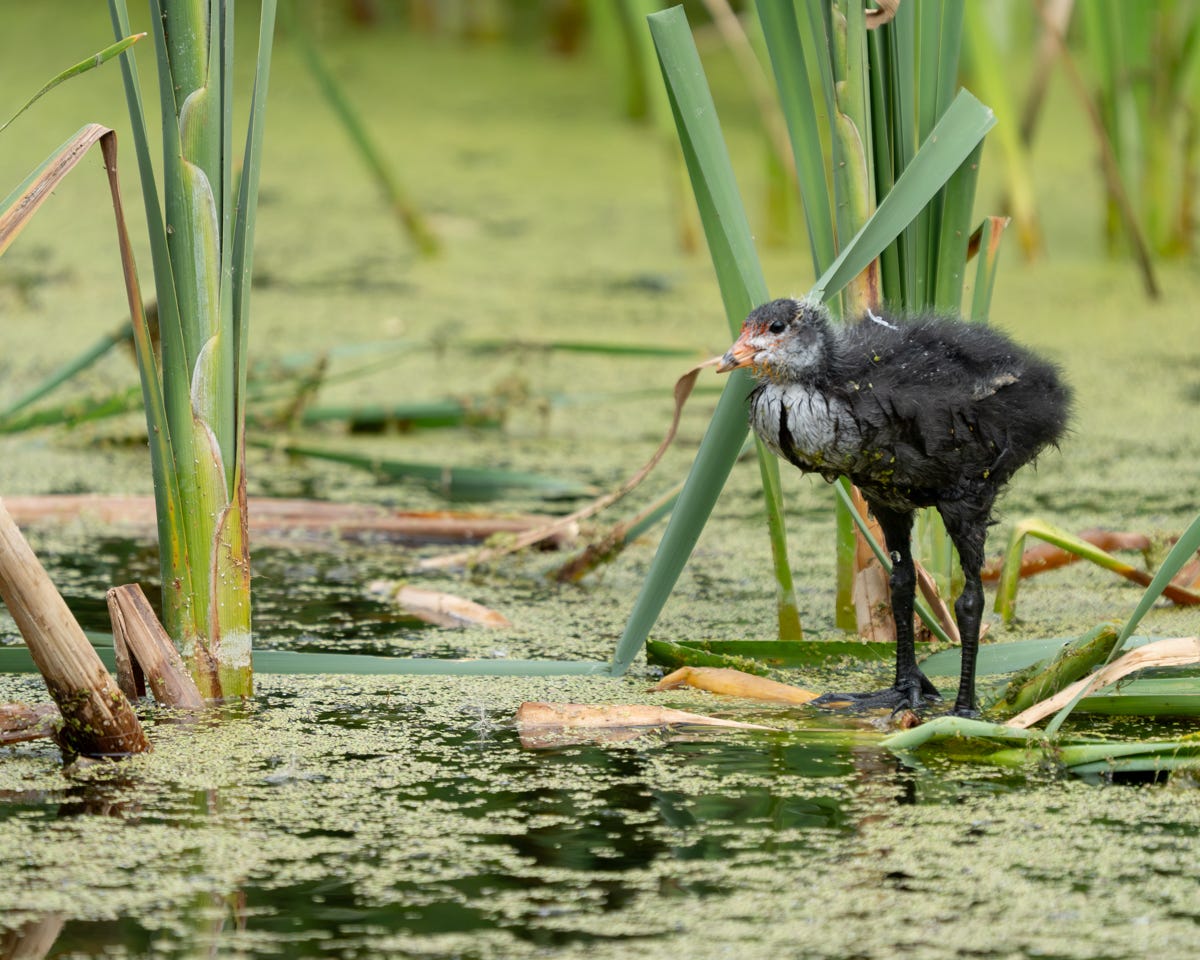
One doting mum (probably – I don’t know if you can sex Coots).
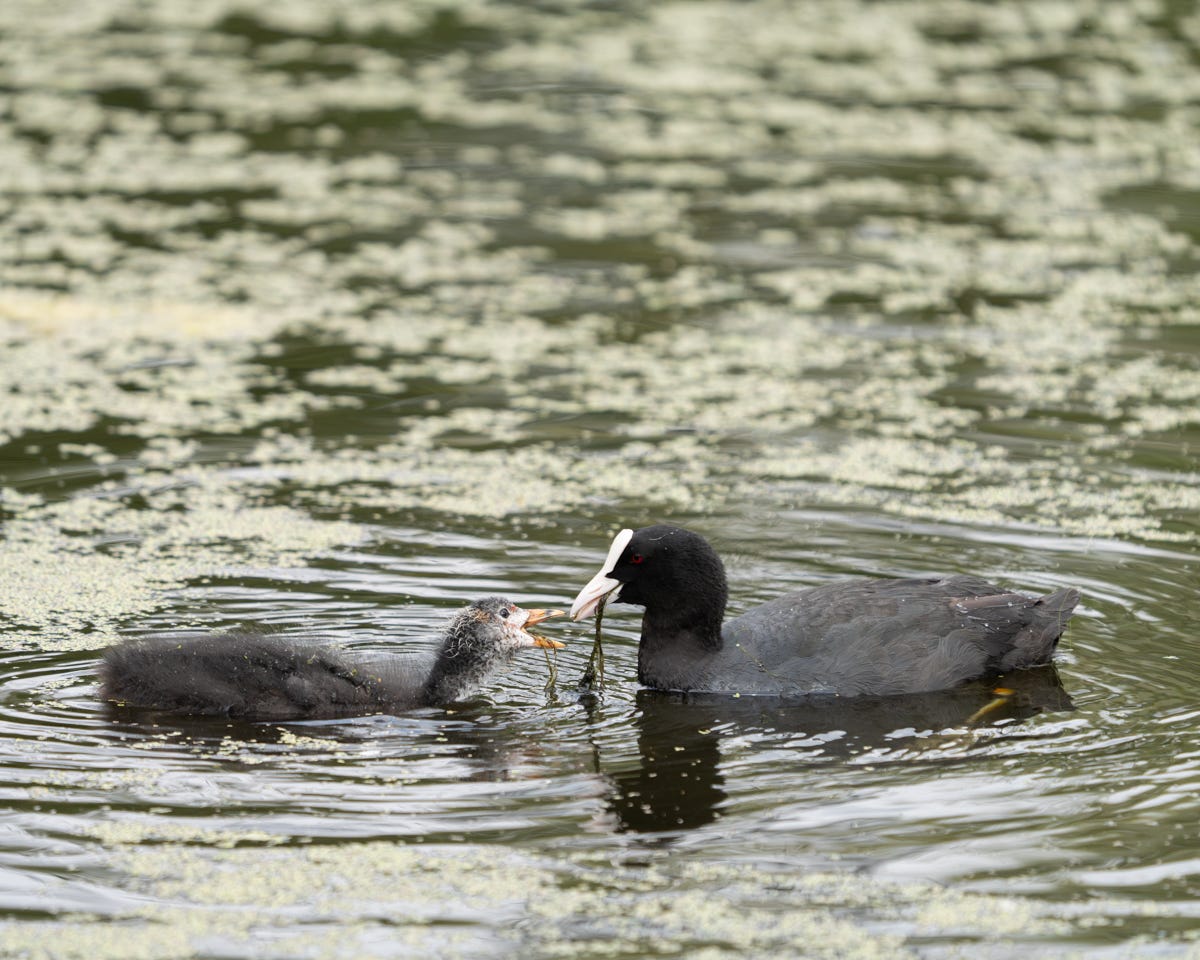
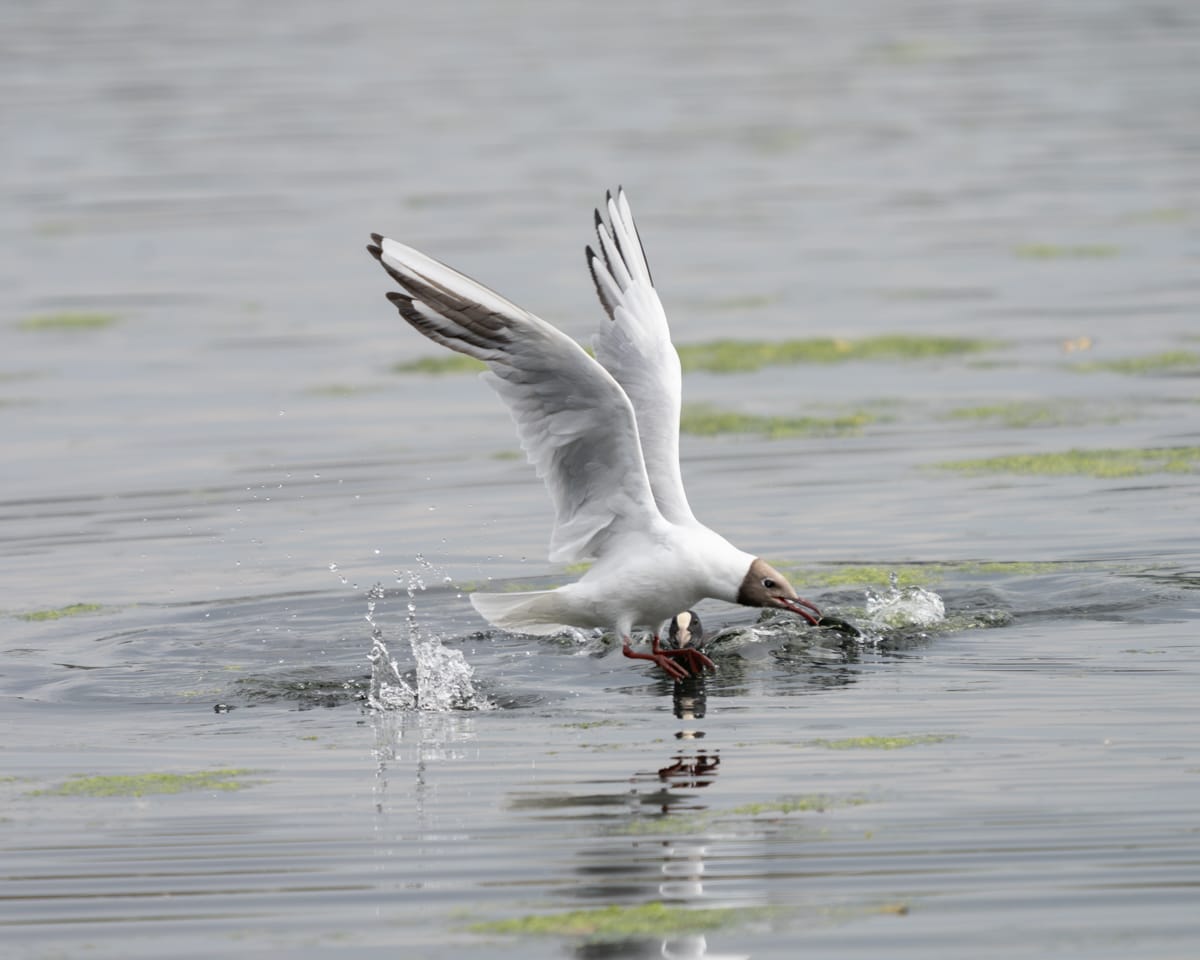
And an aggro dad, who chased this poor Mallard out of the water from the far side of the pool.
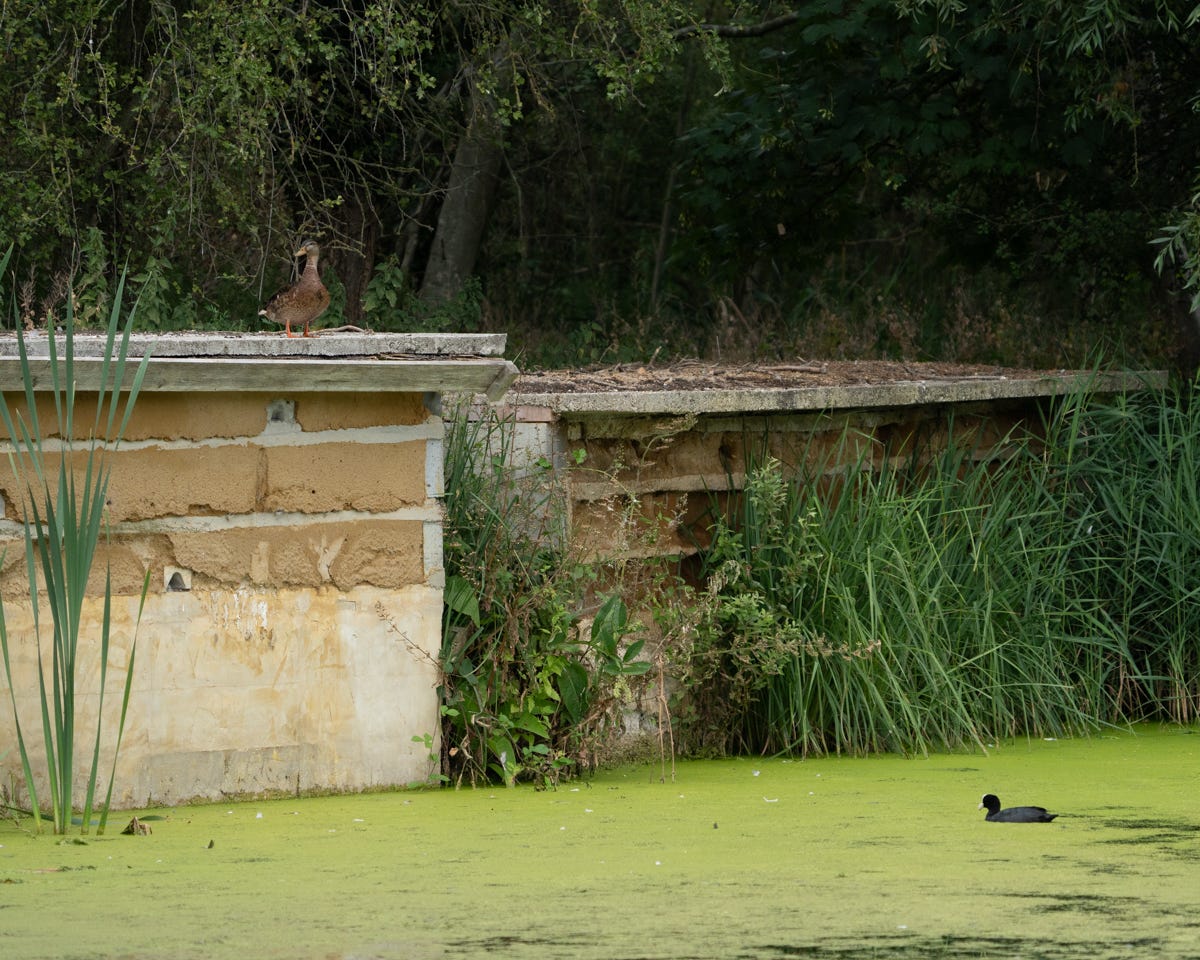
At the next hide, a similar story with a different victim, if you can ever call a Black-Headed Gull a ‘victim’. This is the view from the Tern Hide, and it should really be renamed Gull Hide as it’s home to multiple floating tern rafts full of gull chicks.
We’re nearing the end of the circular loop now, back at the duckweed-covered pond where we saw the Reed Warbler earlier. This time, another bird in the same spot catches our eye. It’s a rusty reddish brown and slightly more round – a Cetti’s Warbler. Far less obliging, too – not a single photo.
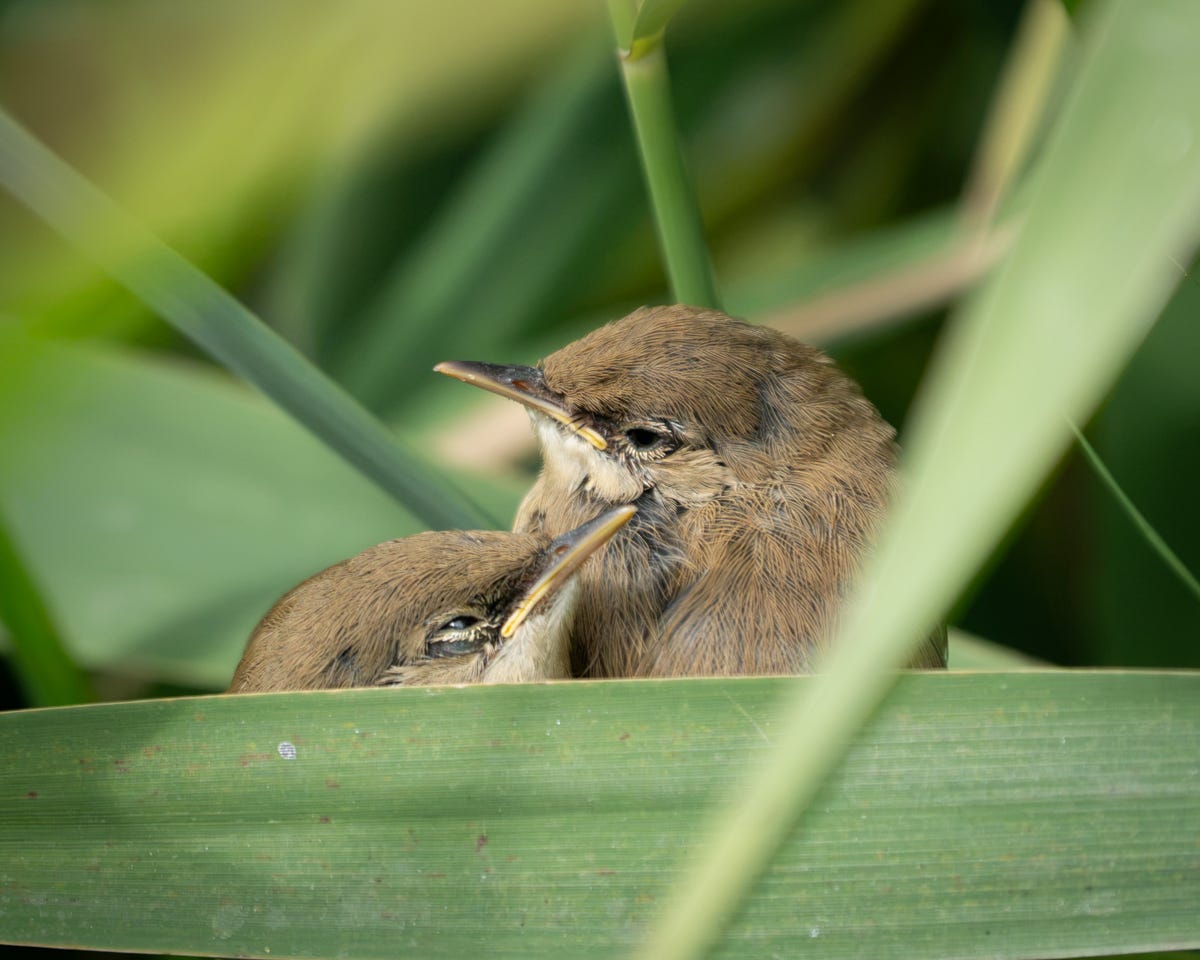
But then my dad spots something. A tiny, adorable little bundle of feathers. Our juvenile has a sibling, and I guess they aren’t too hot for a cuddle now!
What better way to end the walk? And the ginger ice cream in the visitor centre is the cherry on top!
And what a shame that locals will have one less opportunity to see all these wonders for themselves when the RSPB withdraws. It’s not a landscape-changing reserve, but it has a strong community and little else to rival it in terms of diversity nearby. And if people can’t access and experience nature, they can’t love it and they won’t save it.
Thank you for joining me again. I hope you enjoyed our walk, and I’d love to know what else you’ve seen recently?
Gem
One could argue (this one frequently has) that a mosaic of small reserves IS landscape level change.
Ah well.
It might not be the end of it though, you mentioned that the owner is a water company. Don't immediately write them off, I have been to some excellent reserves managed by water companies.
That saddens the hell out of me Gem. I hope the reserve has a future as an accessible green space :(
Wonderful stuff otherwise! I love these crazy looking hummingbird moths. We had one last year, and I saw another species in Costa Rica.
Slow birding around here lately. Mostly watching the regulars at home.